

1. Concept
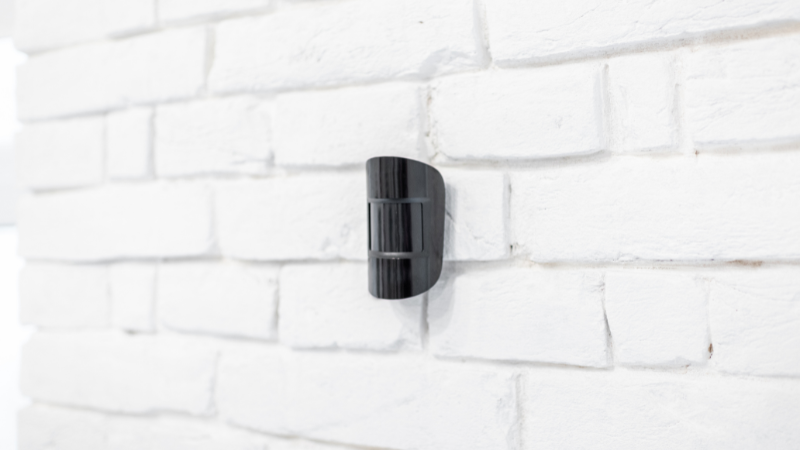
Motion sensors are electronic devices capable of detecting movement within their installed space. In a smart home system, motion sensors not only detect the presence of people or objects but also activate automated devices such as lights, cameras, alarm systems, and air conditioners, providing maximum convenience and safety for the living space.
2. Operating Mechanism
Motion sensors operate based on technologies such as:
- Passive infrared (PIR) sensors: Detects changes in temperature within the observed area when an object or person moves.
- Ultrasonic sensor: Using ultrasonic waves and measuring the time it takes for the waves to reflect, they detect motion.
- Radar (microwave) sensor: Radar waves are emitted and the reflections are analyzed to detect moving objects.
- Combined sensors: Using multiple technologies simultaneously increases accuracy and reduces false alarms.
When motion is detected, the sensor will send a signal to the central controller or directly activate the relevant device, creating automatic responses within the smart home system.
3. The role of sensors in smart home systems
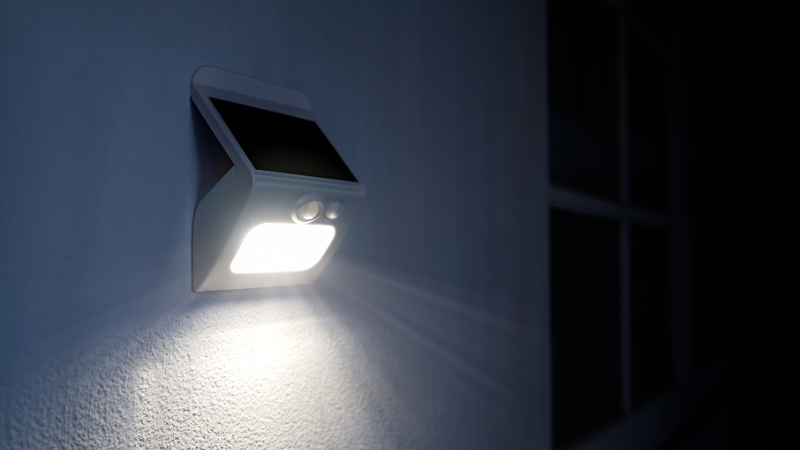
- Lighting automation: The lights automatically turn on when someone enters the room and turn off when no one is there, saving energy and increasing convenience.
- Security: Activating alarm systems, recording cameras, or sending instant alerts upon detecting unusual movement helps protect your home.
- Utilities: Activate other devices such as curtains, fans, and air conditioners according to the user's movement patterns.
- Optimizing the user experience: Automatically adjust devices based on presence or activity in the space, creating a smart and flexible living environment.
4. The necessity of motion sensors in smart homes
Motion sensors are an indispensable component for realizing automation scenarios in smart homes. They enhance convenience, save energy, and improve safety. Especially in large spaces or areas with low foot traffic, sensors help prevent wasted energy from unnecessary device operation.
5. The role of design and installation engineers
- System design: Engineers must survey the space and analyze suitable locations for sensor installation to ensure optimal coverage and minimize dead zones. Choosing the right type of sensor for the environment is also crucial to ensure accuracy and sensitivity.
- System integration: Ensure the motion sensor works in sync with other smart home devices such as lights, cameras, and the control center.
- Set up smart scenarios: Program automated response scenarios tailored to the family's actual needs, optimizing the user experience.
- Maintenance and calibration: Monitor and adjust the system to maintain stable performance, and handle false alarms or technical errors.
Conclude
Motion sensors are the eyes of a smart home, playing a crucial role in automation, enhanced safety, and energy savings. With professional consultation, design, and installation from experienced engineers like those at NCT Smarthome, your motion sensor system will maximize its effectiveness, creating a smart, convenient, and safe living space for your family.