

Smart homes are not just a technological trend; they have become an essential part of modern life, offering convenience, safety, and savings for users. With many outstanding features, smart homes are gradually changing the way we live, work, and enjoy our living spaces. Below are some of the key characteristics that contribute to the appeal and value of smart homes.

1. Automation and Intelligence
One of the most prominent features of a smart home is its ability to automate devices and systems. From turning lights on/off and adjusting air conditioning temperature to opening/closing curtains and managing security systems, everything can operate according to pre-programmed scenarios or by learning user habits. As a result, the home not only proactively meets user needs but also saves energy and optimizes device usage efficiency.
2. Flexible Remote Control
Smart homes allow users to control and monitor the entire system via smartphone, tablet, or voice-enabled device from anywhere. You can turn on the air conditioner before you get home, check security cameras while away on business, or turn off the lights without having to be physically present. This provides ultimate convenience and helps manage your home more effectively.
3. Multi-Device Integration and System Synchronization
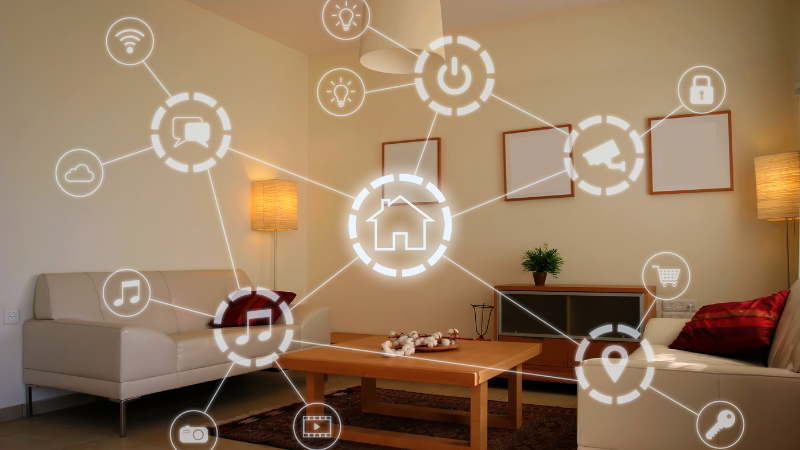
A smart home is not just a collection of individual devices, but a synchronized ecosystem encompassing lighting, air conditioning, security, audio, cameras, curtains, and many other devices. These components connect and interact with each other through a common platform, providing a seamless, convenient experience and easy scalability in the future.

4. High Safety and Security
A smart security system is an integral part of a smart home. Surveillance cameras, motion sensors, electronic door locks, and alarm systems are all connected and continuously monitored. When an incident is detected, the system immediately sends an alert to your phone, allowing you to react quickly and optimally protect your home.
5. User-Friendly and Easy-to-Use Interface
Despite being cutting-edge technology, modern smart homes are designed with intuitive, user-friendly interfaces that are easy to operate. Users don't need technical expertise to easily control devices through Vietnamese-language apps or voice assistants. This allows all family members, from young children to the elderly, to use the convenience easily.

6. Energy Saving and Environmental Protection
Smart homes help users manage and optimize energy consumption efficiently. Devices can automatically turn off when not in use or adjust to environmental conditions to save energy. Simultaneously, the integration of solar power technology and energy monitoring systems contributes to cost reduction and environmental friendliness.
7. Personalization Based on User Needs
Smart homes have the ability to "learn" habits and adjust to suit each family member. For example, lights will dim when you wake up in the morning, or curtains will automatically close when you go to sleep. All of this is designed to create a comfortable, convenient living space that best suits each individual.

Conclude
Smart homes not only offer technological convenience but also elevate the quality of life with superior safety, savings, and personalization. With these outstanding features, it's no surprise that smart homes are increasingly becoming the preferred choice for many modern families, contributing to the creation of comfortable, friendly, and inspiring living spaces.